My Research Experience
My journey began in 9th grade, when I was reading Martin Gardener’s Mathematical Circus, a math-popularization book, which ultimately sparked my interest in number theory.
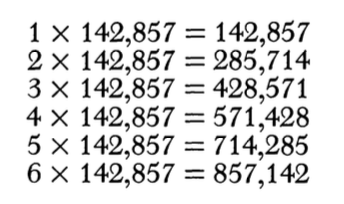
The cyclic number 142 857 captivated me – when multiplied by 1, 2 or 3, it just rearranges its digits; multiply by 7 and you get 999 999; multiply by 8, add the last six digits to the first, and you’re back to 142 857! I spent three hours with pen and paper confirming each pattern and other numbers written in the book, completely absorbed in proving every step.

It took me over 3 months of writing emails and attending lectures and open classes by professors at various universities. Start with your school teachers, but understand they may lack specialized research experience in your area. Still, they can be excellent bridges to connect with professors. I started by attending open university lectures and asking specific questions that showed I’d done my homework. After over a hundred rejections, I connected with my mentor – I found him through a university professor, whom I found through my math teacher.
After exhausting Gardner’s book, I realized one source wasn’t enough to understand the hidden beauty of numbers. I expanded to works by Ian Stewart, Alex Bellos and Eugenia Cheng. Don’t just read passively – I actively worked through problems and tried disproving patterns to truly understand them. The mathematical journals were intimidating at first, but starting with review articles helped me grasp current research directions.
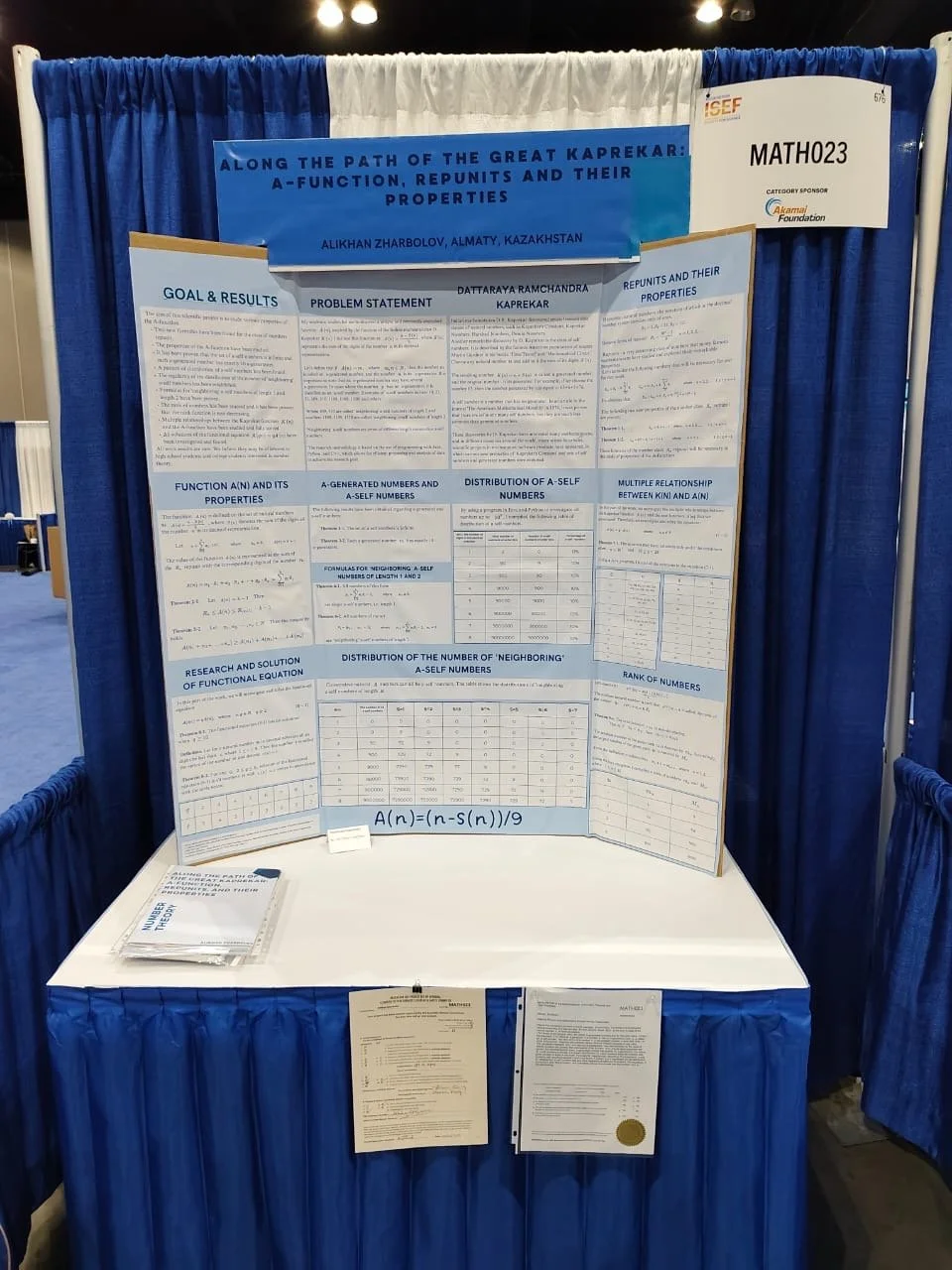
Once I connected with my mentor, I narrowed my focus to Kaprekar’s function. I broke my research plan into weekly goals and phases, strengthened my foundations in mathematics, computer science and LaTeX and maintained meticulous notes. My first paper draft was poor, but after several revisions it was submission‑ready. I entered my research into competitions, created a display board and delivered presentations at the International Science and Engineering Fair, answering questions about my methods and the originality of my approach.